
Housing First
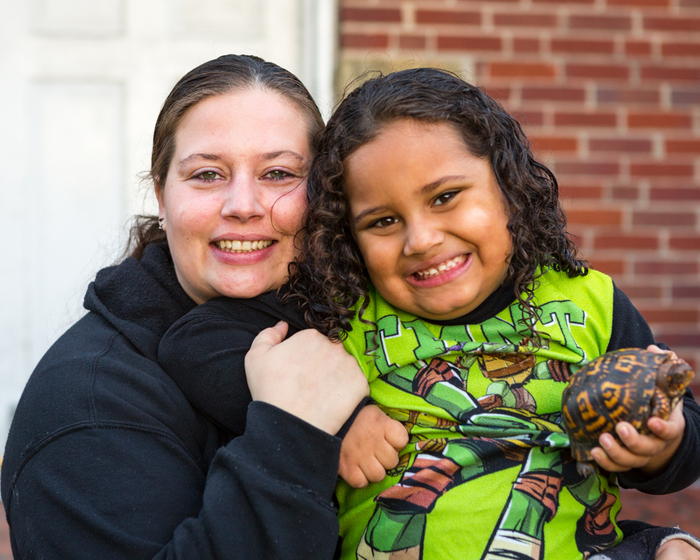
We provide housing assistance and supportive programs for 48 persons experiencing chronic homelessness in four counties: Kanawha, Boone, Putnam and Clay.
What differentiates a Housing First approach from other strategies is that there is an immediate and primary focus on helping individuals and families quickly access permanent housing. Housing isn’t used as a reward but an element for stabilization and hopeful recovery. This approach has the benefit of being consistent with what most people experiencing homelessness want and seek help to achieve. Housing First programs share critical elements:
There is a focus on helping individuals and families access and sustain rental housing as quickly as possible and the housing is not time-limited; A variety of services are delivered primarily following a housing placement to promote housing stability and individual well-being; Such services are long-term depending upon individual need; and Housing is not contingent on compliance with services – instead, participants must comply with a standard lease agreement and are provided with the services and supports that are necessary to help them do so successfully.
A Housing First approach rests on the belief that helping people access and sustain permanent, affordable housing should be the central goal of our work with people experiencing homelessness. Shimaya Jones and Tremain Hill are our Case Managers for Housing First. By providing housing assistance, case management and supportive services responsive to individual or family needs (time-limited or long-term) after an individual or family is housed, communities can significantly reduce the time people experience homelessness and prevent further episodes of homelessness. A central tenet of the Housing First approach is that social services enhance individual well being.
Residential and Resource Program
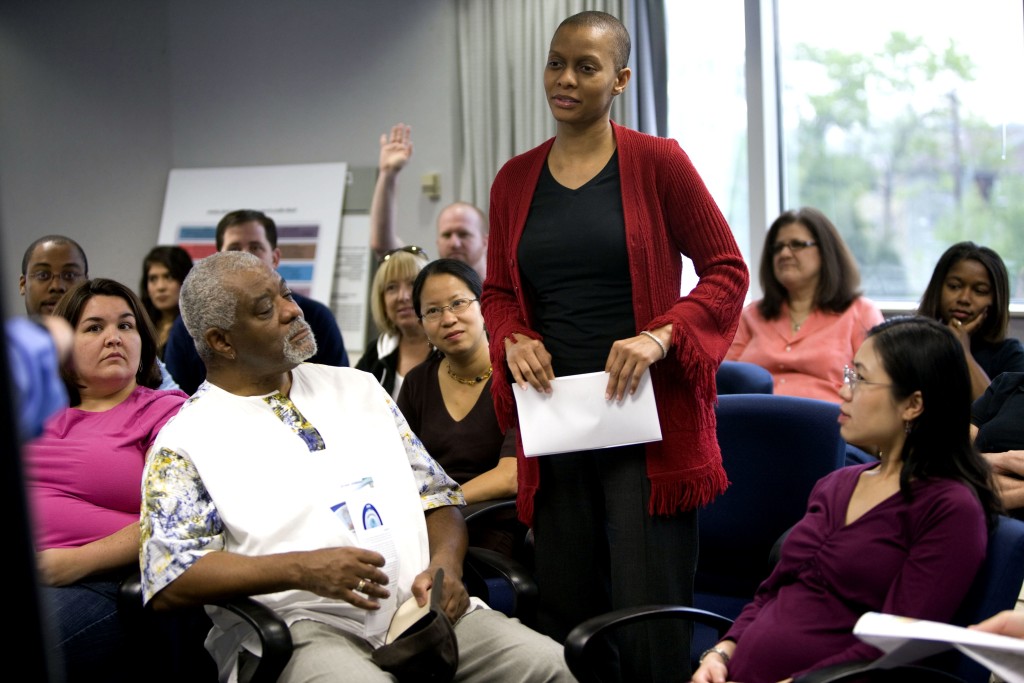
Serving 22 West Virginia Counties, (Boone, Braxton, Clay, Fayette, Greenbrier, Jackson, Kanawha, Lincoln, Logan, Mason, McDowell, Mercer, Mingo, Monroe, Nicholas, Pocahontas, Putnam, Raleigh, Roane, Summers, Webster and Wyoming) this program assists chronically ill and medically qualified individuals and their families with eye exams, nutritional supplements, utility payments, rent/mortgage payments, deposits, and other housing costs. All participants are low-income and may struggle to address special medical needs without family or other social supports. Most recipients are typically referred to the program by medical providers.
The program is designed to assist clients in finding and maintaining safe, sanitary, and secure housing; preventing those already housed from becoming homeless; and improving access to needed medical and social services. Emphasis at intake is on assessment of the client’s housing, income, social and medical barriers, and resources. Individualized housing plans and budgets are done with each participant and designed to meet both immediate needs and long-term stabilization. When appropriate, participants are assisted with accessing mainstream public housing in line with the client’s income and resources. Particular attention is made to reaching those in rural, often isolated, settings who can face additional difficulties in accessing health care and social services. For all clients, the program follows the principle that “housing is healthcare.”
Cassie Province is the Case Manager for the Residential and Resource Program.
Community Housing
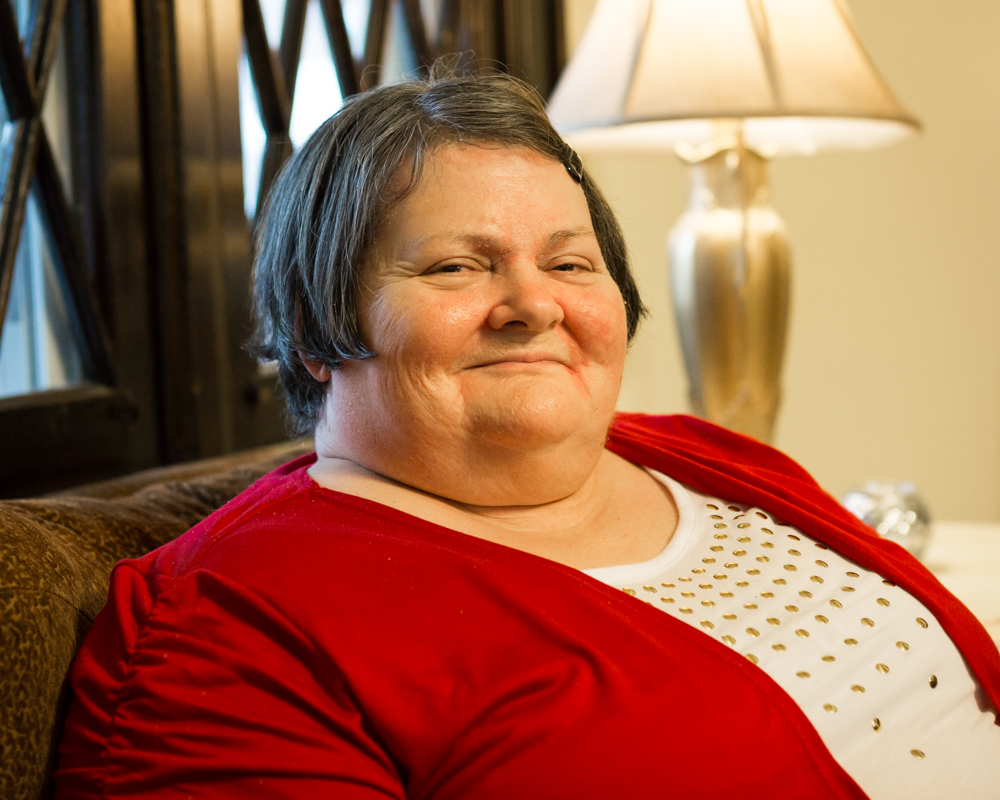
Covenant House’s Community Housing Program operates two HUD Section 811 residences in Charleston for people who are medically qualified or who have disabling mental health issues who may otherwise be living homeless. This program allows residents to live as independently as possible by providing comfortable, well-appointed housing with available supportive services that are permanent and affordable.
The Housing and Urban Development (HUD) federal agency provides project rental assistance, which covers the difference between operating costs of the homes and the tenants’ contribution toward rent– 30 percent of gross income. People are often referred to us through health care providers, shelters or social workers; self-referrals are also welcome. Simply contact the Community Housing Case Manager, Josh Parsons at 304-344-8053 ext. 10 to assess your eligibility. Eligibility guidelines: – single, unaccompanied adults who are 18 years or older – very low-income (within 80 percent of the median income for the area) – living with chronic mental illness or medical illness.
SOAR
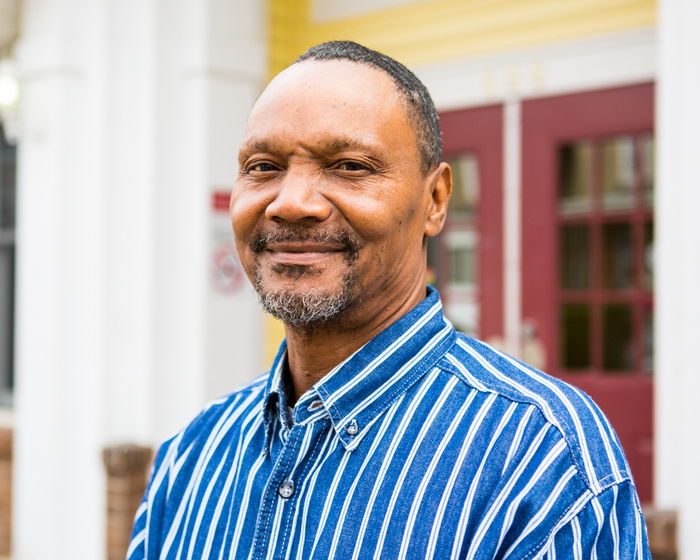
What is SOAR? SSI/SSDI Outreach, Access, and Recovery (SOAR) is a national project funded by the Substance Abuse and Mental Health Services Administration that is designed to increase access to SSI/SSDI for eligible adults who are homeless or at risk of homelessness and have a mental illness and/or co-occurring substance abuse.
We are very grateful to the Greater Kanawha Valley Foundation and the City of Charleston for helping fund this advocacy position to assist individuals in the application process.
The SSI/SSDI application process is complicated and difficult to navigate, particularly for people who are homeless or who are returning to the community from institutions (jails, prisons or hospitals). For those who have a mental illness, substance abuse issues, or co-occurring disorders that impair cognition, the application process poses an even greater challenge yet accessing these income and health care benefits is often a critical first step on the road to recovery.